
How much does peptide HPLC testing expense?
The expense of peptide analysis solution differs dramatically based on which techniques your regulative plan calls for: HPLC-UV Evaluation: $& #x 24; 300 & #x 2013; & #x 24; 800 per example (basic pureness assessment) LC-MS (Fluid Chromatography-Mass Spectrometry): $& #x 24; 600 & #x 2013; & #x 24; 1,500 per sample (molecular weight verification).
Our Logical Strategies
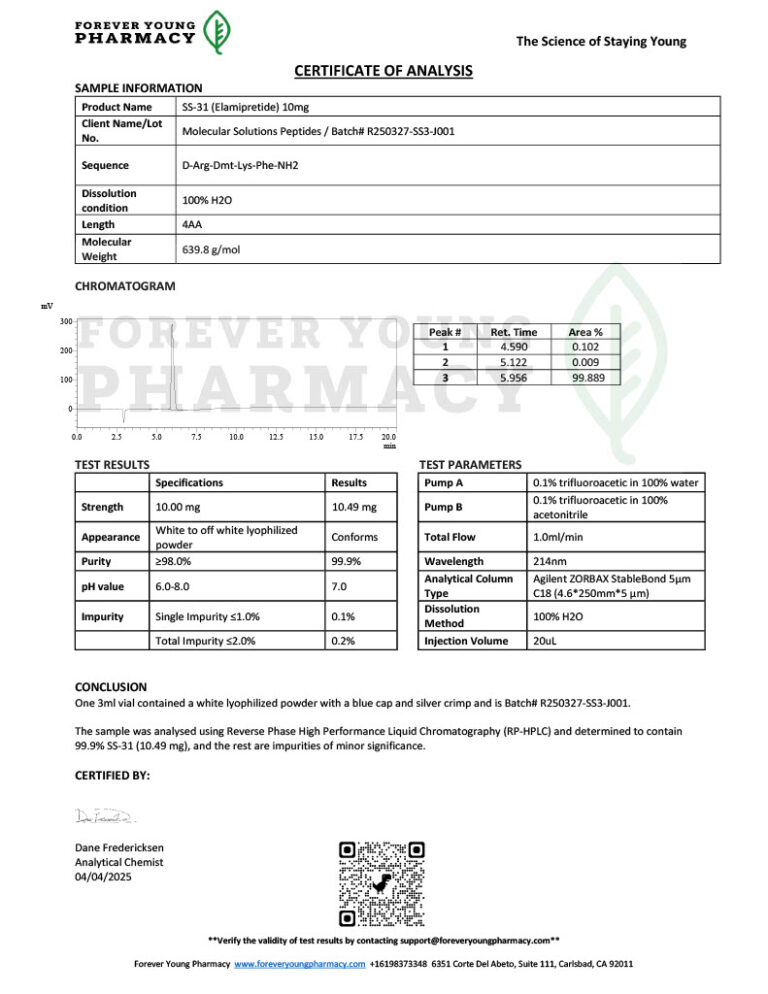
It is one reason correct peptide storage and reconstitution techniques issue. In the typical peptide COA context, optimal pureness normally refers to the portion of complete chromatogram location stood for by the primary peptide top. It is an area-percent purity measurement, not a total identification or activity test. Mass spectrometry verifies whether the measured mass matches the expected peptide mass. The top quality and dependability of a peptide pureness dimension depend on method criteria and paperwork top quality. The mobile phase, often a blend of water, acetonitrile, and an acid modifier, is saved in storage tanks and delivered via the system by a high-pressure pump.What Makes Hplc Testing Best For Dosage Solution Evaluation?
In peptide study, the quality of your beginning products straight figures out the dependability of your outcomes. High-Performance Liquid Chromatography, generally called Visit this page HPLC, is the gold basic logical method for evaluating peptide purity. Recognizing what HPLC screening includes and why it matters is essential knowledge for any type of scientist dealing with synthetic peptides.Make Sure Self-confidence In Your Research Study With Analytical Recognition
- Modern instruments can carry out tandem MS, fragmenting the peptide to validate the real amino acid series.Each peptide has actually a different expected molecular weight, so mass confirmation is not a generic badge; it is compound-specific evidence.In the usual peptide COA context, height purity typically describes the percent of complete chromatogram area represented by the main peptide top.A peptide example listed at 95% pureness includes 5% unidentified substances that might cause false positive outcomes, mask true biological effects, or introduce unwanted variables into very carefully created experiments.When a brand-new peptide set comes with a Certificate of Analysis, researchers ensure there is a solitary predominant peak in the HPLC outcome and a high purity percent.